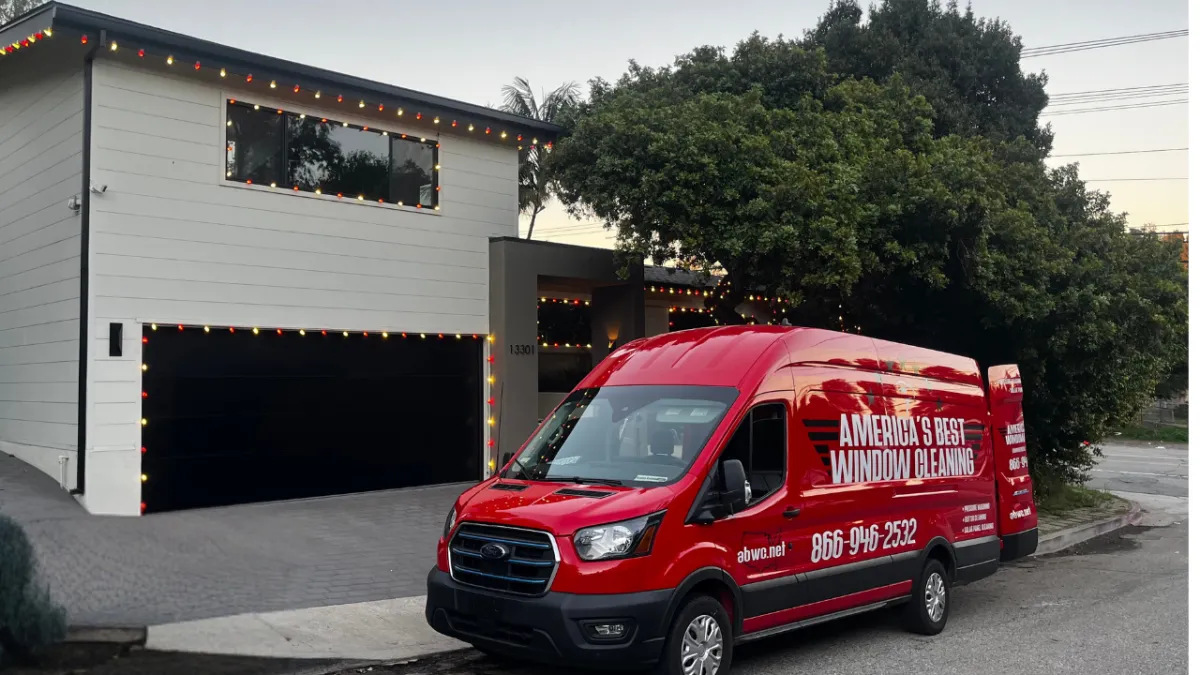
Why Homeowners Choose Professional Christmas Light Installation Over DIY
Introduction:
Professional Christmas light installation refers to hiring trained outdoor lighting technicians who design, install, maintain, and remove holiday lighting systems for homes and businesses. This article answers the core question—Is professional Christmas light installation worth it?—by examining three pillars that determine value: safety and risk reduction, time and stress savings with measurable ROI, and design/quality that boosts curb appeal and longevity. Readers will learn practical safety tips, typical pricing ranges and cost drivers, how to vet installers, creative design approaches, and which add-on services deliver the most long-term value. The discussion weaves local context for Santa Clarita and broader semantic topics like commercial-grade LEDs, smart lighting systems, and permanent outdoor holiday lighting. Each section provides concrete examples, checklists, and quick-reference tables to help homeowners decide whether outsourcing holiday lighting makes sense for their budget and goals.
What Are the Key Benefits of Hiring Professional Christmas Light Installers?
Professional installers deliver measurable benefits across safety, efficiency, aesthetics, durability, and aftercare. Professionals apply safety protocols and correct electrical practices to reduce fall and shock risks, which lowers the chance of costly accidents during installation. They also save homeowners time by handling design, permits where needed, installation, on-season maintenance, takedown, and storage—freeing families to enjoy the season rather than manage ladders and extension cords. Designers use proportion, color temperature selection, and focal points to create cohesive displays that enhance curb appeal and resale value while commercial-grade LEDs and hardware increase lifespan and reduce energy use. These advantages translate into predictable outcomes: fewer repairs, less seasonal hassle, and displays that perform reliably across weather variations.
Many homeowners also value bundled services such as seasonal takedown, secure storage, and on-call repairs, which are commonly offered by professional providers. These bundled packages remove recurring decision points and often extend product life by protecting materials during the off-season. Understanding these benefits leads naturally to a practical quick list of the core advantages and a look at installation safety in more detail.
This section summarizes the primary benefits and transitions to the specific safety practices professionals follow.
Professional Christmas light installation offers five core benefits:
Safety: Trained crews use proper fall protection and electrical practices to reduce injury and fire risk.
Time Savings: Full-service scheduling, installation, and takedown free homeowners from labor-intensive tasks.
Superior Design: Trained designers balance scale, color, and focal points for cohesive curb appeal.
Durability & Efficiency: Commercial-grade LEDs and hardware provide longer life and lower energy use.
Maintenance & Storage: On-season repairs and off-season storage reduce replacement frequency.
These benefits show why many homeowners choose professionals when prioritizing safety, convenience, and display quality. The next subsection explains how professional installation specifically enhances safety during holiday decorating.
How Does Professional Installation Enhance Safety During Holiday Decorating?
Professional installation reduces the most common DIY hazards—falls from ladders, improper electrical connections, and weather-related slips—by using trained crews and appropriate equipment. Installers employ fall protection, insulated tools, GFCI-protected circuits, and weather-rated connectors to prevent shocks and shorts, and they plan access routes to minimize ladder repositioning and unsafe placements. Insurance and workers’ compensation coverage transfer liability away from homeowners, which is especially relevant if an injury occurs during setup or takedown. Professionals also follow best-practice protocols for rooftop work and high-access areas, reducing the likelihood of property damage from accidental tool drops or improper fastener use. Understanding these risk controls naturally leads to a discussion about how hiring pros saves time and reduces holiday stress.
The inherent dangers of electricity, often underestimated, underscore the critical importance of professional handling to prevent serious accidents.
Understanding Electrical Hazards & Safety Risks Electricity (and stored electrical energy) is taken for granted in almost every aspect of our lives, but it can cause death through electric shock, serious injury through electrical burns; electrical fires (the most common cause of accidental fires in the home and workplace) and explosions. Electrical safety
In What Ways Does Professional Installation Save Time and Reduce Holiday Stress?
Hiring professionals compresses a multi-day DIY project into a scheduled service that typically completes design, installation, and inspection in a matter of hours or a single day, depending on scope. Professionals coordinate material procurement, design mockups, and deployment, eliminating trips to multiple stores and the trial-and-error of DIY wiring. Bundled offerings like scheduled takedown and secure off-season storage remove the annual labor sink that many homeowners face, and on-call maintenance minimizes time spent troubleshooting lights in adverse weather. A typical scenario: a homeowner who would spend 12–20 hours sourcing, installing, and tuning lights can recover those hours by scheduling a pro, allowing holiday time to focus on family activities instead. This time-saving benefit sets up the next practical topic: how much professional installation costs and which factors drive price.
How Much Does Professional Christmas Light Installation Cost?
Professional Christmas light installation costs vary by project scope but can be summarized with common per-unit ranges and average project estimates. A useful baseline for many markets is a per-linear-foot range for roofline and outline work, and average whole-home projects that reflect complexity and materials. Typical pricing ranges often fall between $5.00 and $10.00 per linear foot for basic installation using commercial-grade LED strands, with average full-home installs commonly ranging from several hundred to a few thousand dollars depending on home size and design complexity. Final cost depends on factors such as roofline linear footage, roof pitch, access difficulty, custom design elements, and add-on services like storage or smart controls. The table below breaks down common cost drivers to make comparisons easier and to help homeowners estimate budget needs.
The following table compares common cost drivers for typical installation components:
What Factors Influence the Cost of Professional Christmas Light Installation?
Several key factors determine project cost: total linear footage, roof complexity and pitch (which increase labor and safety requirements), height and accessibility, light quality (commercial vs. retail-grade), and any custom design or programming. Labor time rises with roofline complexity and the number of architectural features to highlight; tall homes or steep roofs often require additional safety equipment or crew members, increasing labor line items. Material choices—such as commercial-grade LEDs with higher IP ratings and replaceable bulbs—raise upfront cost but lower lifetime replacement expenses. Add-ons like smart controllers, synchronized music shows, permanent fixtures, and on-season maintenance plans further increase the quote. To illustrate, a mid-sized single-family home with moderate complexity often moves from a simple outline package into custom designs and higher material quality, which is why asking for itemized quotes helps compare true value.
How Does DIY Installation Compare to Professional Services in Terms of Cost and Value?
DIY installation can appear cheaper on a material-cost basis but often underestimates hidden costs such as tools, time investment, safety risk, and shorter equipment lifespan. A DIY homeowner pays retail prices for lights and hardware, invests hours into planning and installation, and assumes liability for accidents. Professionals add labor cost but include trained crews, commercial-grade materials, correct mounting hardware, and bundled takedown/storage or maintenance—services that reduce long-term replacement cycles and emergency repair costs. The short table below contrasts typical line items to illustrate total cost of ownership comparisons.
Indeed, studies on outsourcing non-core services consistently highlight significant cost reductions and enhanced operational efficiency, mirroring the value proposition of professional light installation.
Cost-Benefit Analysis of Outsourcing for Efficiency & Savings This paper presents a comprehensive cost-benefit analysis of outsourcing these services, considering both financial and operational implications. Through a combination of quantitative analysis and qualitative insights from healthcare administrators, the study explores how outsourcing affects cost savings, operational efficiency, and overall service quality. The findings indicate that outsourcing non-core services can lead to significant cost reductions—ranging from 7% to 28% depending on the service—while also enhancing operational efficiency. Outsourcing Non-Core Services in Healthcare: A Cost-Benefit Analysis, S Karakolias, 2024
What Should You Look for When Hiring Christmas Light Installers?
When hiring, focus on verifiable qualifications, insurance, a clear contract, references, and a documented scope of work that includes removal and storage terms. A reliable provider will supply proof of general liability insurance and workers’ compensation, show a portfolio of past installations, and provide transparent pricing with itemized options for materials and services. Local knowledge—such as familiarity with Santa Clarita climate considerations and common architectural styles—helps ensure designs that perform well year-round and withstand seasonal conditions. Ask for warranty or repair guarantees, and prefer written contracts that specify timing, payment terms, and liability for unforeseen weather events. These vetting points form the basis for a practical buyer’s checklist and the specific qualifications that signal professionalism.
Verify insurance and workers’ compensation to transfer liability away from the homeowner.
Request a portfolio or photo examples of completed installations similar to your property.
Ask for references or reviews from recent local customers to confirm reliability.
Ensure the quote is itemized and includes removal, storage, and any on-season maintenance.
Confirm warranty terms for lights, controllers, and workmanship.
Using this checklist helps homeowners compare providers objectively and prepares them to ask the right questions during initial consultations.
Which Qualifications and Certifications Ensure Installer Expertise and Safety?
Essential qualifications include general liability insurance, workers’ compensation, and demonstrated safety training for elevated work and electrical installations. Affiliations with professional trade organizations and adherence to industry best practices indicate a commitment to standards, and documented evidence of crew training—such as ladder safety and GFCI wiring protocols—reduces onsite risk. Licensing requirements vary by jurisdiction, so verifying local compliance and asking whether crews follow recognized safety checklists is important. Also look for providers who use weather-rated connectors (IP-rated), commercial-grade fastening hardware, and documented testing procedures after installation; these practices indicate durability-conscious operations. Verifying these credentials leads naturally into the specific questions homeowners should ask during a quote.
What Questions Should You Ask Before Hiring a Professional Installer?
Before hiring, homeowners should ask focused questions that clarify scope, cost, and recourse. Request a written estimate with an itemized breakdown, ask what materials are included versus optional upgrades, inquire about insurance and licensing, and ask how on-season repairs are handled and billed. Additional important questions include whether removal and storage are included, what warranty exists for lights and labor, and how scheduling and cancellation policies work during inclement weather. Below is a compact list of practical vetting questions to use during consultations.
What is included in the quoted price and what is an optional upgrade?
Can you provide proof of liability insurance and workers’ compensation?
Do you offer seasonal takedown and secure off-season storage?
What warranty covers bulbs, strands, or workmanship and for how long?
How are urgent repairs handled during the holiday season and what are the fees?
Asking these questions reduces ambiguity and ensures the selected installer aligns with homeowner expectations regarding service, safety, and long-term value.
How Do Professional Holiday Lighting Services Create Stunning Custom Designs?
Professional designers follow a structured process—site assessment, concept development, materials selection, and installation mockup—to create balanced, weather-resilient displays that emphasize architectural strengths and landscape features. Designers choose color temperature, focal points, and layering techniques (roofline outlines, tree wraps, accent lighting) to guide viewer attention and create depth. They also specify commercial-grade LEDs, appropriate IP-rated connectors, and mounting hardware that protect roofs and gutters while ensuring clean lines and minimal visual clutter. Mockups and incremental testing reduce surprises during live installation, and programming options like smart controllers or synchronized elements add motion and variety while maintaining reliability. Knowing how pros design shows why material choice and professional hardware matter, which leads into popular design ideas and the role of commercial-grade LEDs.
What Are Popular Christmas Light Design Ideas and Trends for Homes?
Current trends favor clean architectural outlines with warm-white LEDs, minimalistic linear accents, and selective color pops for planting beds or entryways, as well as smart-synced displays for homeowners who want dynamic shows. Wraps around trees and hedges remain popular for texture, while up lights accentuate columns and stonework. Minimalist palettes suit contemporary homes, while traditional houses benefit from layered warm tones and multicolor highlights on focal trees. In Santa Clarita, dry-season durability and UV-resistant materials are practical considerations when choosing color and fixture type, ensuring displays hold color and performance throughout the season. These trends naturally segue into the advantages of using commercial-grade LEDs versus consumer-grade products.
How Do Commercial-Grade LED Lights Improve Quality and Durability?
Commercial-grade LEDs outperform retail strands in lifespan, lumen consistency, and weatherproofing, typically offering higher IP ratings, replaceable components, and more robust warranties. These fixtures are engineered to maintain brightness and color temperature across seasons, reducing visual degradation and the frequency of strand replacements. Higher-efficiency LEDs also reduce energy consumption for large installations and integrate more easily with smart controllers and permanent systems. Choosing commercial-grade components increases upfront cost but lowers total cost of ownership due to fewer replacements and less on-season maintenance, which ties back into the earlier cost comparison and value proposition for professional installation.
What Additional Services Do Professional Christmas Light Installers Offer?
Beyond installation and removal, many professional providers offer maintenance, seasonal repairs, secure storage, permanent lighting solutions, and smart lighting integration that together reduce homeowner workload and extend system life. Maintenance plans commonly include on-call troubleshooting, bulb replacement, and connector checks during the season to maintain uptime. Secure storage options protect lights from moisture and rodent damage during the off-season, while permanent and smart systems deliver year-round convenience and energy management through programmable controllers and app integration. These additional services are often priced as bundled packages and can materially improve long-term ROI by protecting the homeowner’s investment. A comparison table below clarifies common add-on services and customer benefits.
How Do Maintenance, Removal, and Storage Services Add Value?
Bundled maintenance and storage services reduce annual wear-and-tear by ensuring lights are properly removed, labeled, and stored in climate-appropriate conditions, which extends lifespan and lowers replacement frequency. During the season, on-call maintenance prevents single-point failures from dark sections or shorts, preserving display integrity for events and neighborhood traffic. Using professional storage also decreases homeowner labor and the risk of damage during off-season handling, and it simplifies next-season installation since items are organized and pre-labeled. These operational efficiencies translate into lower total cost of ownership and fewer holiday disruptions, which sets up the final discussion on permanent and smart lighting systems.
